

 EN
Cap Cana vs Bavaro Real Estate: A Clear Comparison for Foreign Buyers
 by Wiso

Cap Cana vs Bávaro real estate is the first shortlist most foreign buyers make after landing in Punta Cana. Both sit in La Altagracia. Both sell sun, golf-adjacent living, and vacation-rental potential. They are not interchangeable products. Cap Cana sells a master-planned, amenity-dense enclave with controlled access. Bávaro is the denser hotel-and-condo corridor that built the region’s tourism brand—and where building-by-building variance is widest.
Decision Snapshot
| Factor | Cap Cana (typical pattern) | Bávaro corridor (typical pattern) |
|---|---|---|
| Product DNA | Master plan, gated perimeter, marina/golf narrative | Mixed strip: hotels, towers, walk-to-beach density |
| Buyer mandate | Lifestyle + longer hold / premium ADR | Yield + liquidity / wider resale pool |
| HOA / club load | Often higher; amenities packaged tightly | Wide range—must read each building budget |
| Rental comps | Fewer, more branded; fee drag matters | Deeper comps; quality dispersion is the risk |
| Diligence focus | Fees, use rules, assessment history | Building ops, rental bylaws, stack quality |
This table is a map, not a valuation. Price and HOA figures move by phase, view, and association—always pull current documents.
Cap Cana: Master Plan and Fee Discipline
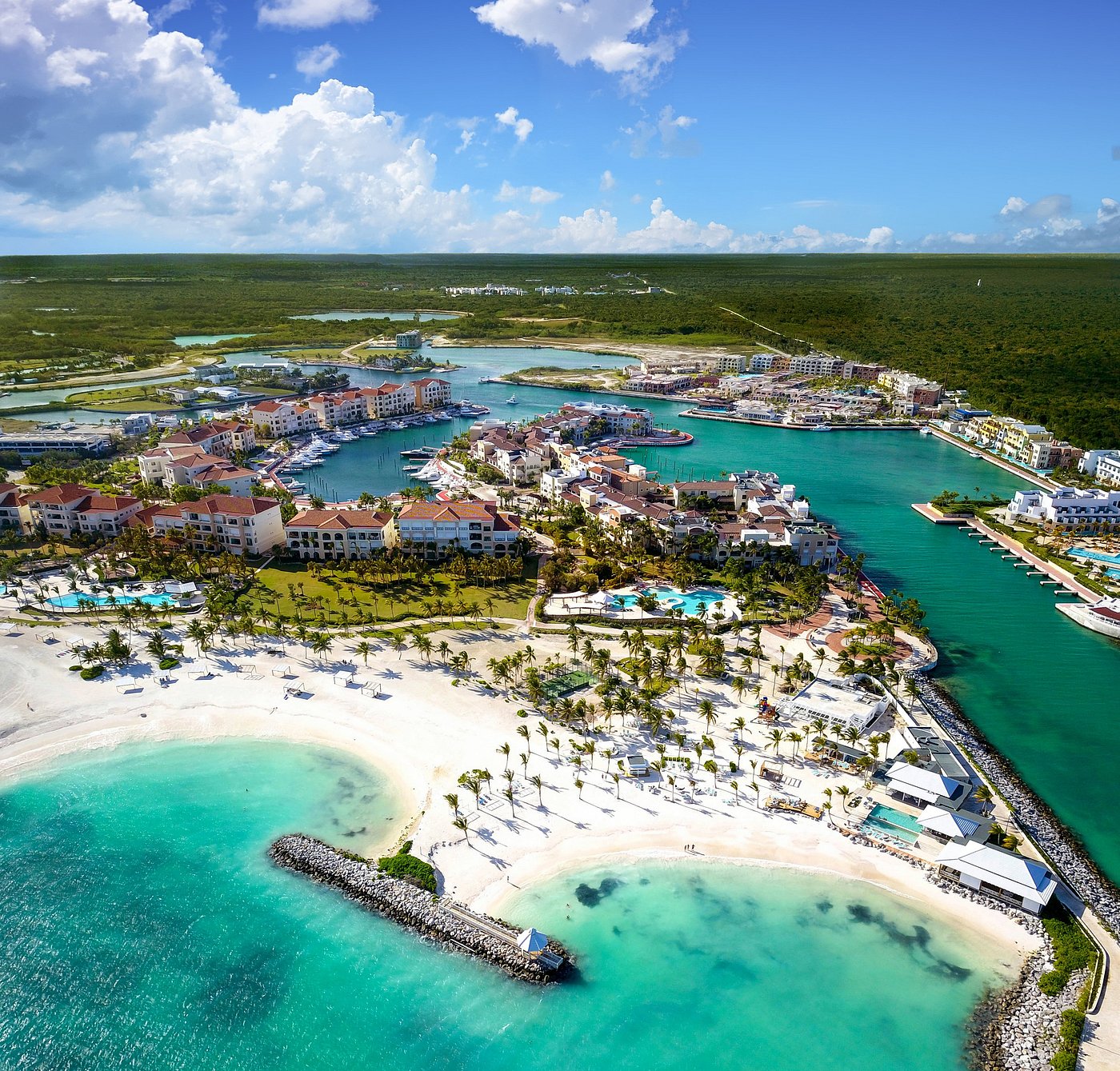
Cap Cana was designed as an integrated destination: marina, golf, hotels, and residential product inside a managed perimeter. For many US and European buyers that reads as order—security protocols, landscaping standards, and a coherent “resort town” aesthetic that can support premium nightly rates when management is competent.
Where Cap Cana tends to win
- Second-home and lifestyle narrative with controlled access.
- Amenity packaging that supports premium ADR when rules allow rentals.
- A buyer pool that pays for finish level and brand coherence.
What to underwrite carefully
HOA and club structures can be material relative to net yield. Request current dues, club obligations, special assessments, and rental permissions in writing. Cap Cana vs Bávaro decisions often turn on fee drag as much as on the view corridor.
Bávaro: Density, Demand, and Building Reality
Bávaro is where tourism density is most visible—hotel brands, beach access patterns, restaurants, and a deep stock of condominium product. That density can mean stronger short-stay demand and a wider resale audience. It also means your return depends on which building you buy: elevator health, waterproofing, HOA reserves, and rental bylaws vary sharply within a few hundred meters.
Where Bávaro tends to win
- Deeper rental and resale comps for like-kind units.
- Often lower entry prices than Cap Cana lifestyle product for similar bedroom counts.
- Walkability to services that reduce owner friction.
What to underwrite carefully
Ask for 12 months of unit electricity history—much of the east-coast tourism grid bills through CEPM, and A/C-heavy beach product spikes in high season. Confirm whether short stays are allowed, capped, or funneled through a building program. Price professional management at 20–30% of gross if you will not self-operate.
Yield vs Lifestyle Premium
Cap Cana can win on net lifestyle utility and branded ADR even when cash-on-cash looks tighter after fees. Bávaro can win on yield and exit liquidity when the stack is well run. Run both corridors with the same expense template: HOA, reserves, CEPM, insurance, and management. Whichever corridor still clears your hurdle after stress occupancy is the mandate fit.
Diligence That Applies to Both
- Certificación de Estado Jurídico and clear Registro de Títulos path.
- Association budget, reserve policy, and 24-month assessment history.
- Rental rules in the condominium declaration.
- If Confotur / Law 158-01 incentives are pitched, read the project act—do not bake “15-year IPI / transfer relief” into the price without paperwork.
- Exit comps in the same micro-product, not “Punta Cana average.”
Seasonality and fee stress test
Run the same calendar on both corridors: peak winter weeks, shoulder months, and deep summer. Cap Cana’s premium ADR story must survive fee load when nights are empty. Bávaro’s density story must survive building-quality variance when guests have five substitute towers within a short drive.
A practical stress: increase HOA 10%, raise CEPM 15% for A/C season, and cut occupancy 12%. Whichever corridor still meets your after-fee hurdle—with documents, not aspirations—is the mandate fit. If neither clears, you do not have a location problem; you have a product or price problem.
Remember Verón and other La Altagracia micro-markets exist beside this binary. Use Cap Cana vs Bávaro as a mandate filter, then drill into the association file for the specific stack you will own.
When Cap Cana and Bávaro both appear to clear your hurdle, prefer the corridor whose association documents are complete and current. Transparency of fees beats a marginally higher brochure ADR every time.
Conclusion: Match the Corridor to the Mandate
Cap Cana and Bávaro share an airport economy. They do not share one fee profile, one density, or one exit market. Choose the corridor that matches how you will use and hold the asset—then buy the building file, not the label.
Compare Cap Cana and Bávaro inventory side by side: use the WISO Clave properties filters by area, price, and type, then move shortlisted units to legal review before you deposit.
Imagery & Architectural Visualizations:
Architectural renderings, project photography, and master plans are presented for illustrative and editorial purposes. All rights and copyrights remain with their respective developers, architects, and creators. For image attribution or inquiries: legal@wiso.do