
 ES
ESPunta Cana, Bávaro and Verón: Understanding the Real Estate Geography of La Altagracia
 by Wiso
“Punta Cana” is a name buyers use for a whole stretch of the eastern Dominican Republic. On a map, and in the census, the stretch is more precise. The province is La Altagracia. Higüey is its main municipality. Verón-Punta Cana is a municipal district that the Oficina Nacional de Estadística enumerates on its own. Bávaro is the beach corridor many visitors mean when they say they stayed in Punta Cana. Cap Cana is a distinct master-planned area to the south of that corridor.
None of these labels is “the best.” They are different use cases. A buyer who wants a managed beach apartment, a buyer who wants a house with more space, and a buyer who wants land near services are not shopping for the same thing, even when the listing headline uses the same destination name.
La Altagracia is the province
The 2022 census counted 446,060 people in La Altagracia. The count is from the census conducted in November 2022. It describes a populated province with a capital city, smaller districts, and a large visitor economy, not a resort that empties when the flights do.
That scale is why provincial averages mislead. A figure for the whole of La Altagracia mixes Higüey’s urban fabric with the coast. Property decisions get better when they drop down a level: which district, which road, which building.
Verón-Punta Cana is an administrative name
ONE lists Verón-Punta Cana as a distrito municipal. In everyday speech, “Verón” and “Punta Cana” get pulled apart or pushed together depending on who is speaking. Verón often refers to the inland commercial town that grew with the resorts: services, housing for people who work in tourism, and the ordinary streets of a fast-growing district. Punta Cana, in marketing, leans toward the coast, the airport, and the resort address.
For a buyer, the practical difference is use. A home in the commercial town is closer to daily services and to the people who staff the visitor economy. A home marketed as Punta Cana may be closer to a controlled beach entrance and farther from ordinary errands. Neither fact makes one superior. It tells you who the home is for.
Bávaro is the beach people recognize
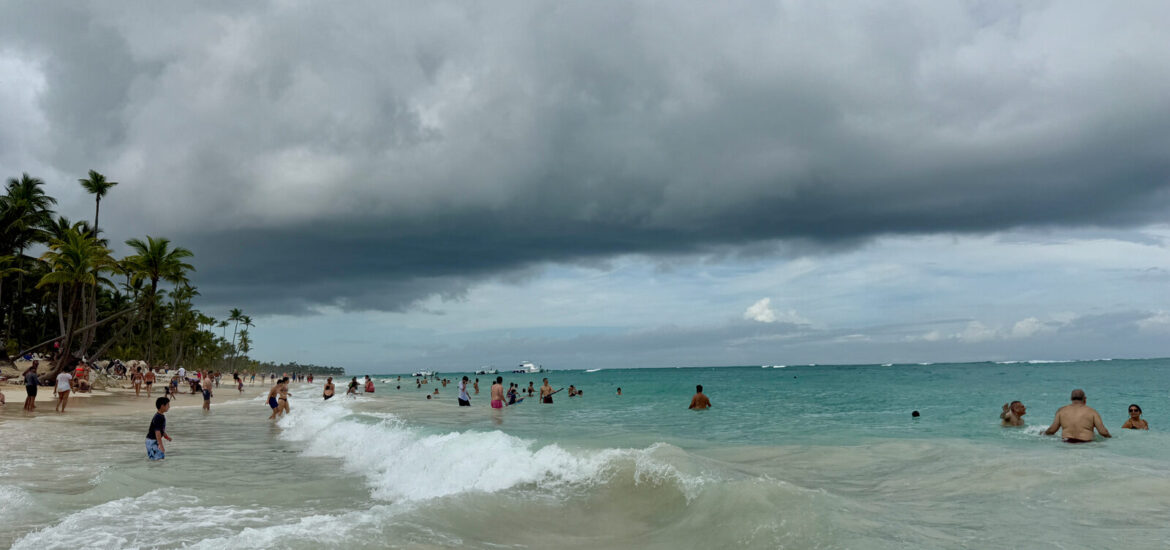
Bávaro is the long resort shore north of the original Punta Cana point. Hotels, beach clubs, and condominium projects line it. Buyers who want to walk to the sea, or to put a short-stay apartment near restaurants and beach access, usually start here. The tradeoff is concentration. You are buying into the most visible part of the visitor economy, with the building density and the seasonal rhythm that come with that.
Bávaro is not a separate province, and it is not a synonym for every east-coast address. Ask where the beach entrance is, whether it is public or controlled by a hotel or residence, and how the street feels away from the sand. Those details decide daily life more than the area name on a map pin.
Cap Cana and other planned edges
Cap Cana is often sold as a more contained, master-planned environment: marina, golf, and residences inside a defined perimeter. That can suit a buyer who wants amenities and access rules in one place. It can be the wrong fit for a buyer who wants a neighborhood street, a lower monthly cost, or a property that is not tied to a single development’s rules.
Other named pockets, including places CLAVE already separates in search such as Punta Cana Village, work the same way. The name is a clue about the kind of place. It is not a quality ranking. Read the association documents and visit the gate, the beach path, and the nearest services before you treat the name as the analysis.
Why the airport does not flatten these differences
The east coast shares air access, which is why international buyers can compare these areas in one trip. Shared access does not create one price. A condominium that depends on weekly guest turnover and a house intended for longer stays can sit a short drive apart and still answer different questions. National tourism figures, including the January–June 2026 result of more than 6.5 million visitors and US$6,716.0 million in tourism revenue, explain demand for the region. They do not choose the street.
A way to look, without a “best area” list
Match the area to the use. Beach-access and short stays pull many buyers toward Bávaro and other shore addresses. Daily services and a more urban errand pattern pull others toward Verón. A controlled amenity environment pulls others toward a master-planned edge such as Cap Cana. Homes for part-year personal use can sit in any of these if the owner accepts the drive and the fees.
Then test the match against actual homes. Browse current properties and filter by area instead of searching only the words “Punta Cana.” The 2026 market note explains what the national statistics can and cannot prove. The geography explains why two listings with the same destination name can be different products.
Sources and data
- Oficina Nacional de Estadística, 2022 census, La Altagracia 446,060, and Verón-Punta Cana listed as a municipal district: Informe General del X Censo.
- Banco Central, preliminary January–June 2026 tourism revenue and visitor arrivals: official note.
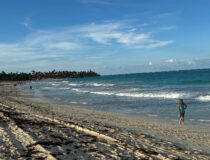
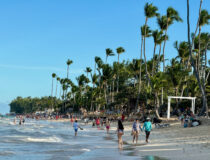
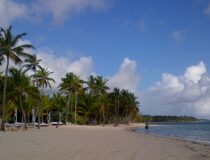
Photograph: Playa Bávaro by Oleg Yunakov, CC BY-SA 4.0, via Wikimedia Commons. Resized for web display; license unchanged.